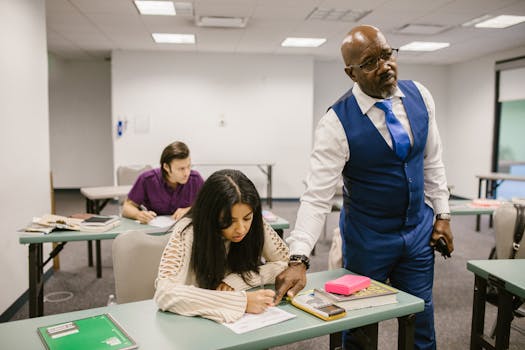
The air crackles with a unique energy as finals week looms. Textbooks pile higher, coffee cups multiply, and the once-familiar campus transforms into a battlefield of late-night study sessions and hushed library whispers. But amidst the intense focus and academic pressure, a silent adversary often creeps in: burnout. Have you ever found yourself staring blankly at a page, the words blurring into an incomprehensible mess, despite having hours of studying left? That’s often the first whisper of burnout, a signal that your mind and body are signaling their distress. Understanding how to deal with study burnout during finals isn’t just about academic survival; it’s about preserving your mental and physical health during one of the most demanding periods of the academic year. It’s a crucial skill that many overlook in the race to the finish line.
The Invisible Toll: Recognizing the Signs of Burnout
Before we dive into solutions, let’s explore the subtle (and sometimes not-so-subtle) indicators that you might be teetering on the edge of burnout. It’s more than just feeling tired; it’s a pervasive exhaustion that impacts your motivation, cognitive function, and even your emotions.
Persistent Fatigue: Not just sleepiness, but a deep, bone-weary tiredness that even a full night’s sleep doesn’t fix.
Diminished Motivation: The subjects that once sparked your curiosity now feel like insurmountable chores. The drive to study feels like it’s been extinguished.
Increased Irritability or Cynicism: Small frustrations can feel like major catastrophes. You might find yourself snapping at friends or feeling a general sense of negativity about your studies.
Difficulty Concentrating: Your mind wanders easily, and it becomes incredibly challenging to focus on complex material. You might reread sentences multiple times without absorbing them.
Physical Symptoms: Headaches, digestive issues, and a weakened immune system can all be physical manifestations of prolonged stress and burnout.
It’s easy to dismiss these as simply “part of finals,” but acknowledging them is the first step toward effectively how to deal with study burnout during finals. Ignoring these signals can lead to a more significant breakdown, impacting not just your grades but your overall well-being.
Rethinking Your Study Strategy: Beyond the All-Nighter
The traditional image of a student cramming all night before an exam is often glorified, but it’s a recipe for burnout. So, what are more sustainable and effective approaches? It’s about working smarter, not just harder, and actively incorporating elements that prevent that dreaded exhaustion.
#### Prioritizing and Chunking Your Workload
When faced with a mountain of material, it’s natural to feel overwhelmed. Instead of trying to tackle everything at once, consider a more strategic approach.
Break it Down: Divide your study topics into smaller, manageable chunks. Instead of “Study Biology,” think “Review Chapter 5: Cellular Respiration” or “Complete Practice Problems for Thermodynamics.”
The Eisenhower Matrix: Categorize your tasks by urgency and importance. This helps you focus your energy on what truly matters and delegate or eliminate less critical activities.
Time Blocking: Allocate specific blocks of time for each study task. This creates structure and helps you avoid drifting aimlessly between subjects.
#### The Power of Active Recall and Spaced Repetition
Passive rereading of notes is notoriously ineffective. Engaging with the material actively is key to better retention and less mental strain in the long run.
Test Yourself Regularly: Instead of just rereading, try to recall information from memory. Use flashcards, practice questions, or even explain concepts to an imaginary audience.
Spaced Repetition Systems (SRS): Tools like Anki leverage algorithms to show you information at optimal intervals, reinforcing learning and reducing the need for frantic last-minute cramming.
Nurturing Your Well-being: The Unsung Heroes of Finals Survival
It might seem counterintuitive when you have deadlines looming, but investing in your well-being is not a luxury; it’s a necessity for sustained academic performance and a critical component of how to deal with study burnout during finals.
#### The Importance of Strategic Breaks
“All work and no play” doesn’t just make Jack a dull boy; it makes him a burnt-out student. Your brain needs downtime to consolidate information and recharge.
Micro-Breaks: Every 25-50 minutes, take a 5-10 minute break. Stand up, stretch, walk around, or grab a drink of water.
Longer Breaks: Schedule in longer periods of rest, ideally an hour or more, for meals, exercise, or a brief social interaction.
Screen-Free Time: During your breaks, try to disconnect from your devices. Give your eyes and your mind a rest from the constant digital stimulation.
#### Fueling Your Body and Mind
What you consume has a direct impact on your energy levels and cognitive function.
Balanced Nutrition: Prioritize whole foods, lean proteins, fruits, and vegetables. Avoid excessive sugar and processed foods that lead to energy crashes.
Hydration is Key: Dehydration can significantly impair concentration and cognitive performance. Keep a water bottle handy.
Mindful Movement: Even short bursts of physical activity can boost mood, reduce stress, and improve focus. A brisk walk, some yoga, or a quick workout can make a world of difference.
Building Resilience: Mindset and Support Systems
Beyond study techniques and self-care routines, cultivating a resilient mindset and leveraging your support network are fundamental aspects of how to deal with study burnout during finals.
#### Cultivating a Growth Mindset
How you perceive challenges significantly influences your ability to overcome them.
Embrace Imperfection: Understand that you won’t grasp every concept immediately. Learning is a process, and setbacks are opportunities for growth.
Focus on Progress, Not Just Outcomes: Celebrate the small wins. Acknowledge the effort you’re putting in, not just the final grade.
Challenge Negative Self-Talk: When you catch yourself thinking, “I can’t do this,” reframe it to “This is challenging, but I can break it down and try my best.”
#### The Power of Connection
You don’t have to go through finals alone. Your friends, family, and university resources are there to help.
Study Groups (Effective Ones): Collaborate with peers to discuss challenging concepts, quiz each other, and share notes. Ensure the group stays focused and productive.
Talk to Someone: Share your feelings with a trusted friend, family member, or a university counselor. Sometimes, just voicing your concerns can be incredibly cathartic.
Seek Academic Support: Don’t hesitate to approach your professors or teaching assistants during office hours. They can clarify doubts and offer guidance.
Final Thoughts: Navigating the Finish Line with Grace
Finals week is undeniably demanding, but it doesn’t have to be a period of suffering. By proactively understanding how to deal with study burnout during finals, you equip yourself with the tools to navigate this challenging time with greater effectiveness and significantly less distress. Prioritizing well-being isn’t a sign of weakness; it’s a strategic advantage that enhances your ability to learn, retain information, and perform at your best.
So, as you approach your next study session, ask yourself: am I just powering through, or am I truly fueling my success and protecting my long-term well-being?